
 4 months ago
168
4 months ago
168
Scientists have unearthed a "peculiar" ancient crocodile that walked on two legs – after beginning its life on four.
Named Sonselasuchus cedrus, the creature roamed the Earth during the Late Triassic period, approximately 225 to 201 million years ago.
Belonging to a group known as shuvosaurids, which shared a superficial resemblance to certain dinosaur species of the era but are direct relatives of today’s crocodiles, the discovery challenges previous understandings of croc-line evolution.
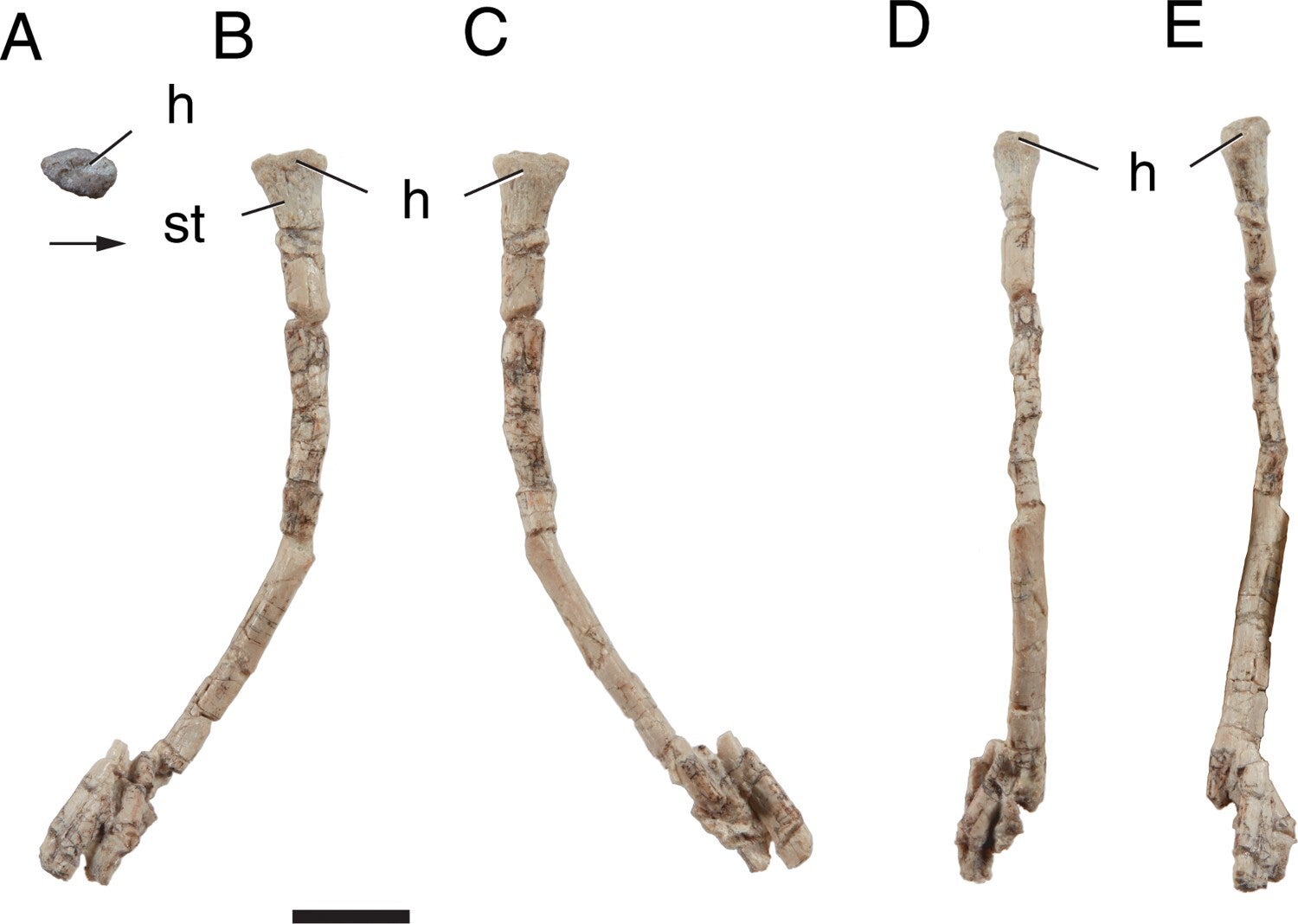
Researchers from the University of Washington Department of Biology and the Burke Museum of Natural History and Culture, whose findings are published in the Journal of Vertebrate Paleontology, suggest that unusual proportions in its fossilised limb bones indicate that the crocodile changed its walking patterns as it grew.
“We think that Sonselasuchus had more proportional forelimbs and hindlimbs as young, and their hindlimb grew longer and more robust through adulthood,” lead author Elliott Armour Smith said.
“Essentially, we think these creatures started out their lives on four legs… they then started walking on two legs as they grew up. This is particularly peculiar."
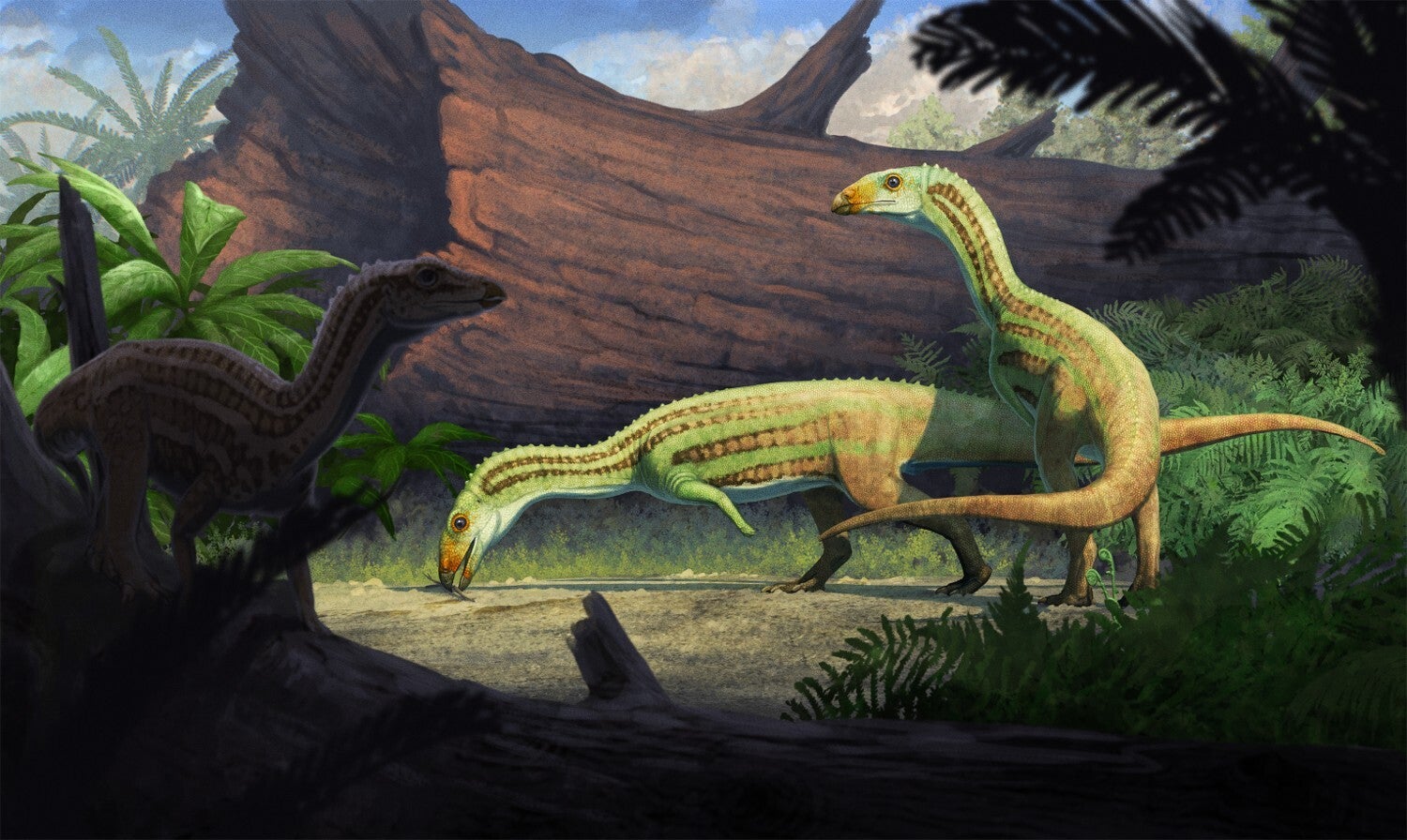
The reptile, estimated to have stood around 64cm (25 inches) tall, had a toothless beak, large eye sockets, and hollow bones. These characteristics bear a striking resemblance to ornithomimid dinosaurs, often dubbed "ostrich dinosaurs".
However, Mr Armour Smith said that those features evolved independently.
"This similarity was probably due to the fact that croc-line and bird-line archosaurs evolved in the same ecosystems and converged upon similar ecological roles."
He added that shuvosaurids like Sonselasuchus demonstrate that traits such as bipedalism, a toothless beak, hollow bones, and large orbits also emerged within the crocodile line.
The fossils of Sonselasuchus cedrus were first uncovered in 2014 at Petrified Forest National Park in Arizona by a team including Professor Christian Sidor, Mr Armour Smith’s colleague.
The site has proven exceptionally rich, yielding over 3,000 bones from a decade of excavation and preparation.
The species name ‘cedrus’ reflects the forested environments where the reptile is believed to have lived, referencing the cedar trees similar to those found in Late Triassic forests.
The genus name ‘Sonselasuchus’ acknowledges the Sonsela Member of the Upper Triassic Chinle Formation, the geological layer of its discovery.
For Professor Sidor, the ongoing discoveries represent more than a decade of dedicated research in partnership with the U.S. National Park Service.
"Since starting fieldwork at Petrified Forest in 2014, we have collected over 3,000 fossils from the Sonselasuchus bonebed, and it doesn’t seem to show any signs of petering out," he said.
The bonebed has also provided fossils of fish, amphibians, dinosaurs, and other reptiles, with over 30 University of Washington students and volunteers contributing to the continuous stream of "new and interesting fossils".









 English (US) ·